About us
Learn Who We Are, What Drives Us, and How We Work
Every project begins with an idea.
This one was born from a real connection.
Atlas Volunteers emerged from a relationship built over time in Tisswit, a small village and community located in the Middle Atlas of Morocco, in the province of Midelt.
What began as a temporary stay turned into a long-term commitment. Over the years, visits to the village, constant contact, and living alongside its residents strengthened this bond, allowing a deeper understanding of their reality, way of life, and the needs that exist beyond the school environment.
Thus, Atlas Volunteers was born: an initiative created together with the community, aimed at developing an educational and cultural project that makes sense within its context and can be sustained over time.
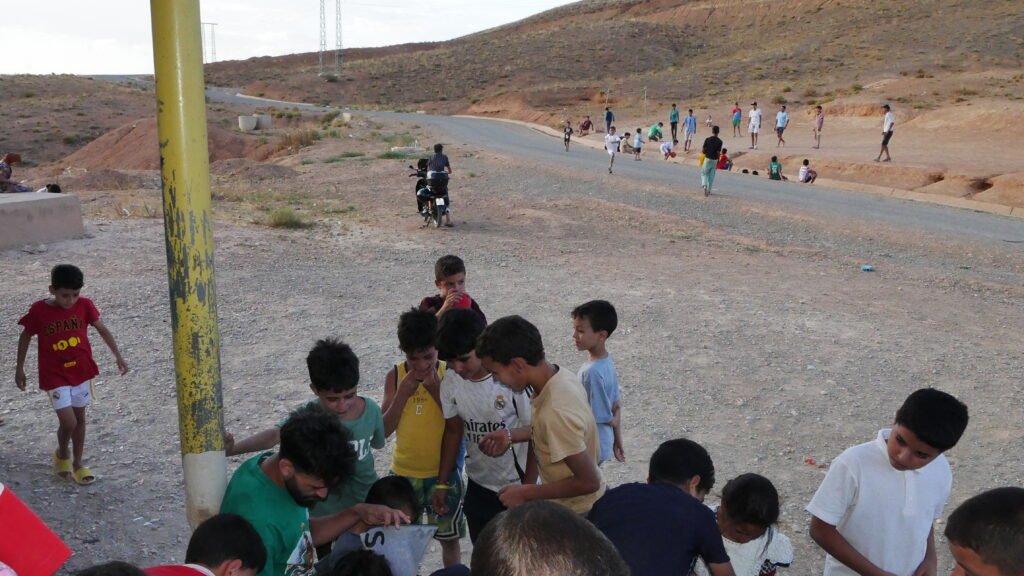
Our goal is clear: to support without imposing, creating spaces where the village’s children and youth can access educational and recreational activities, especially at times when these opportunities are otherwise unavailable. The project starts with a summer program but has a broader vision: to generate a real and progressive impact that can be maintained throughout the year.
HOW IT ALL STARTED
The origin of the project and the bond that brought it to lifeThe story of Atlas Voluntarios begins in 2023, when one of the project members arrived in Tisswit for the first time as an international volunteer in a summer program that was taking place in the village at that time.
It was in this context that the first contact with the community occurred, and where Abduh and Anwar were met—young people from the village who were already actively involved in activities with the children.
This experience allowed a close understanding of the reality of the place, living with the families, and realizing the importance of that summer space for the children.
However, that same year the project was discontinued. With its disappearance, the village children were left without an educational and recreational space during the summer, as well as without an alternative during the periods when they needed it most.
From that point on, thanks to the bond that had already been established, a shared idea between former volunteers and locals emerged: to continue that space, but in a different way.
A way that was more approachable, more aligned with the reality of the village, and, above all, built from within, together with the people who are part of it.
This is how Atlas Voluntarios began to take shape, as an initiative jointly driven by local people from Tisswit and individuals who, after getting to know the community, decided to stay involved over time.
The goal was not just to revive a summer camp, but to lay the foundations for a project that could be sustained and evolve, leveraging the constant presence of those who live there and the commitment of those who remain connected to the village.

OUR PRINCIPLES AND GOALS
What guides us, what we strive for, and what we believe inMISSION
What drives us?
Supporting the community of Tisswit, especially children and youth of the village, through the creation of educational, cultural, and social spaces that respond to their reality and context.
The project focuses on times when opportunities are currently limited, such as afternoons outside school hours and the summer period, offering alternatives that promote learning, play, and personal development.
Through shared time and consistent presence, we aim to create a real and close impact, fostering an environment where children can feel supported, stimulated, and part of their own space.
VISION
What do we aim for?
Build a small, coherent, and sustainable initiative, deeply connected with the local community and recognized by them as their own project.
In the long term, the goal is to have a stable space in the area that allows the project to continue throughout the year, offering a place where children can access educational and recreational activities, as well as resources, beyond the summer period.
We also aspire for the project to, over time, create new opportunities within the community, especially related to local employment and the development of small initiatives that promote autonomy.
VALUES
What do we believe in?
We believe in responsible volunteering, where the local community is the focus, not the means.
We see volunteering as a tool that helps sustain the project, but not as its ultimate purpose.
We promote relationships based on cultural respect, reciprocity, and shared responsibility, where learning is mutual and everyone contributes from their own perspective.
We prioritize closeness over prominence, listening over imposition, and real, small-scale impact, built together with the community.
OUR TEAM
The people who make this project possible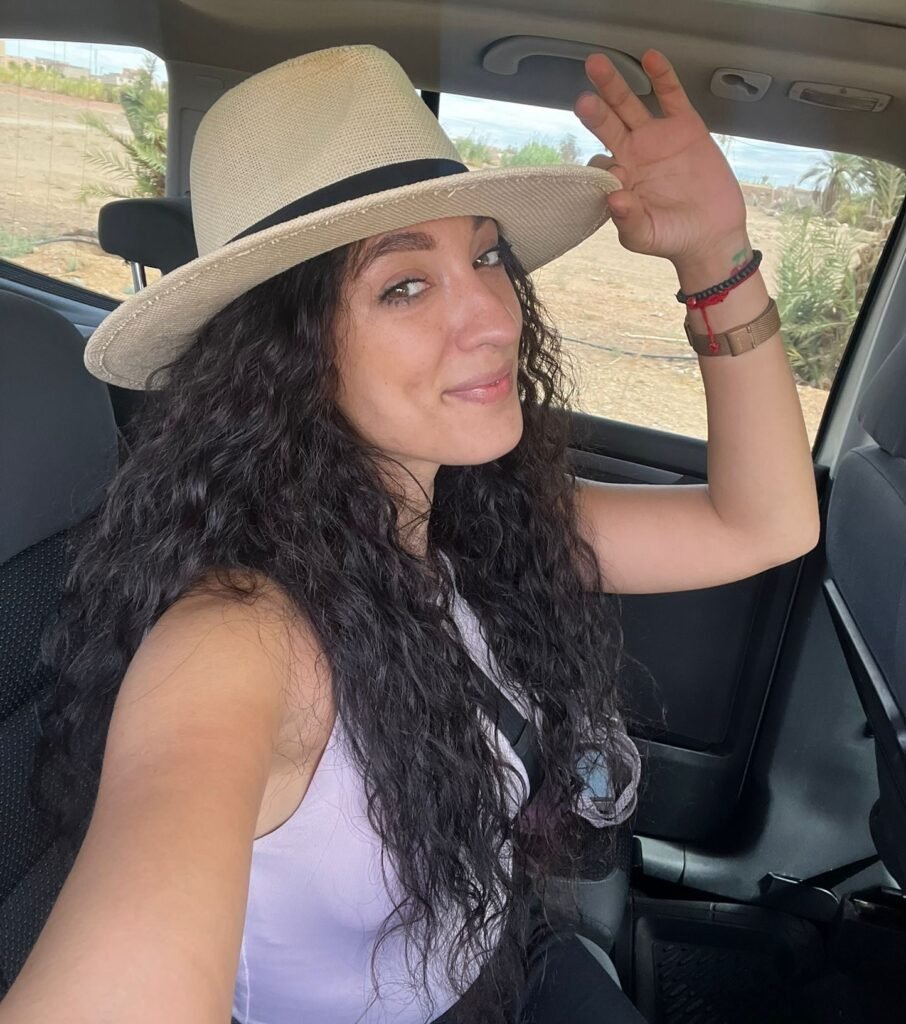
Jenthamy
International Coordinator
- Ensure all activities align with the project’s mission, vision, and ethical principles.
- Plan and oversee educational, cultural, and community programs.
- Actively participate in logistics and daily tasks alongside local coordinators.
- Communicate with and support international volunteers.
- Manage the project budget, ensuring all expenses are transparent and no personal profit is made.
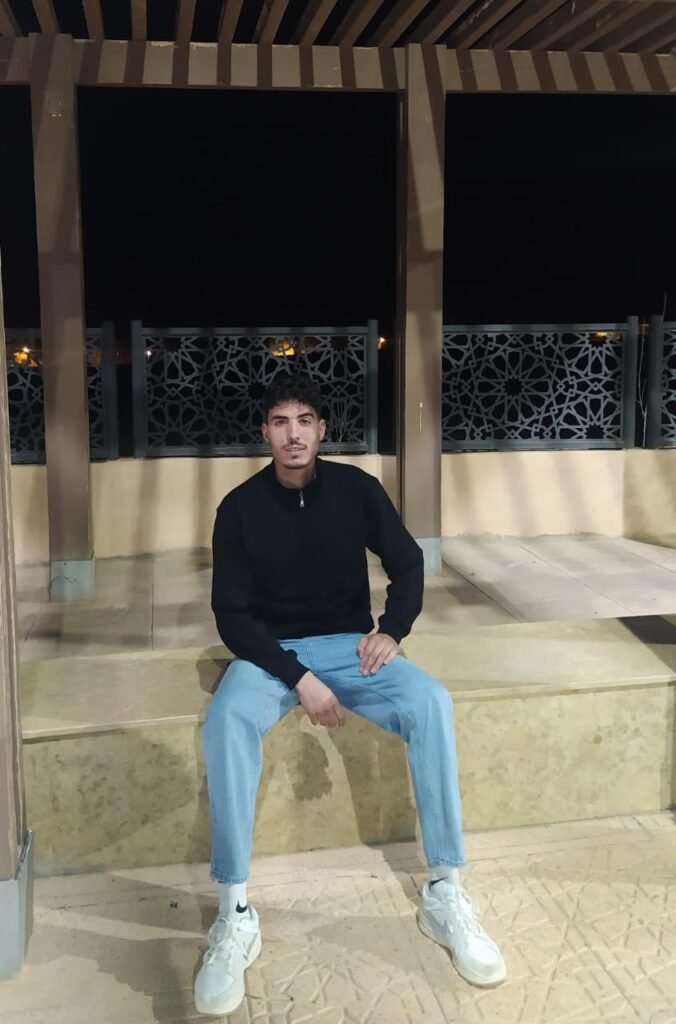
abdu
Local Coordinator
- Provide cultural and linguistic support for volunteers.
- Accompany and assist volunteers in all activities.
- Support workshops and educational programs.
- Participate in strategic and operational decisions for the project.
- Coordinate tasks internally with Anwar based on local organization.
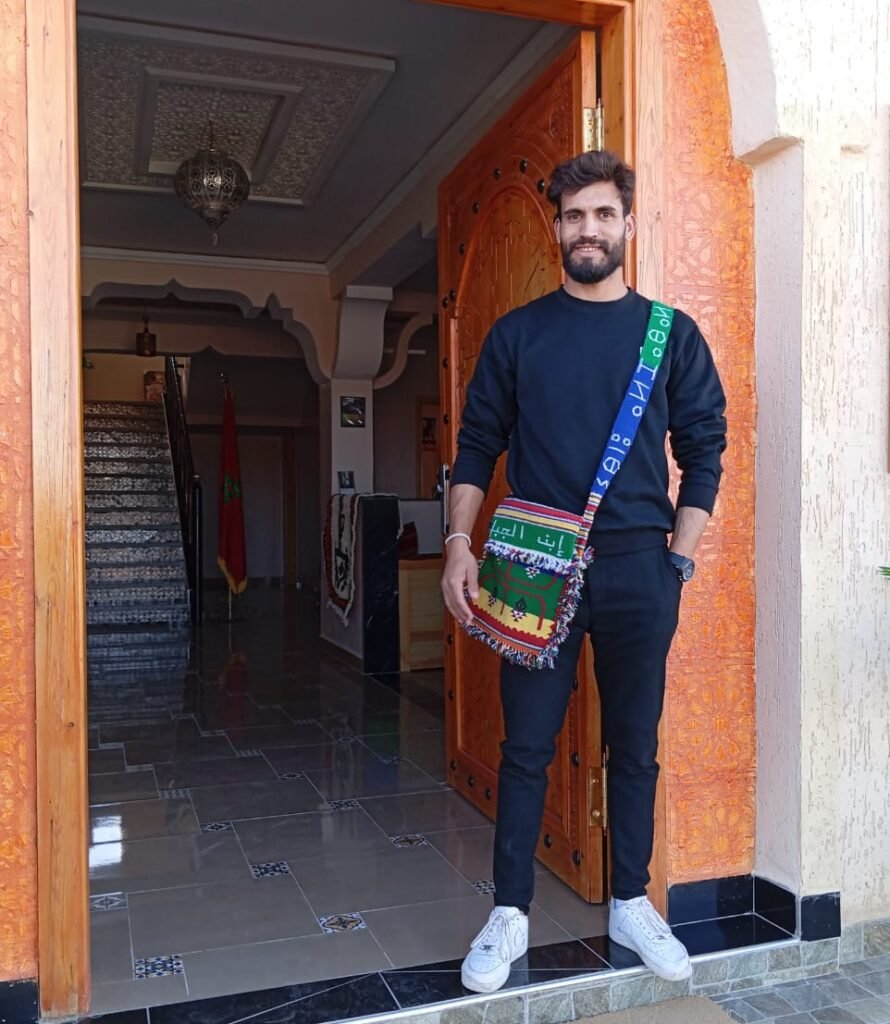
Anwar
Local Coordinator
- Manage local logistics, including transport, purchases, accommodation, and facilities.
- Supervise volunteer activities and ensure smooth operations.
- Communicate and coordinate with local authorities and community members.
- Participate in strategic and operational decisions for the project.
- Coordinate tasks internally with Abdu according to local needs.